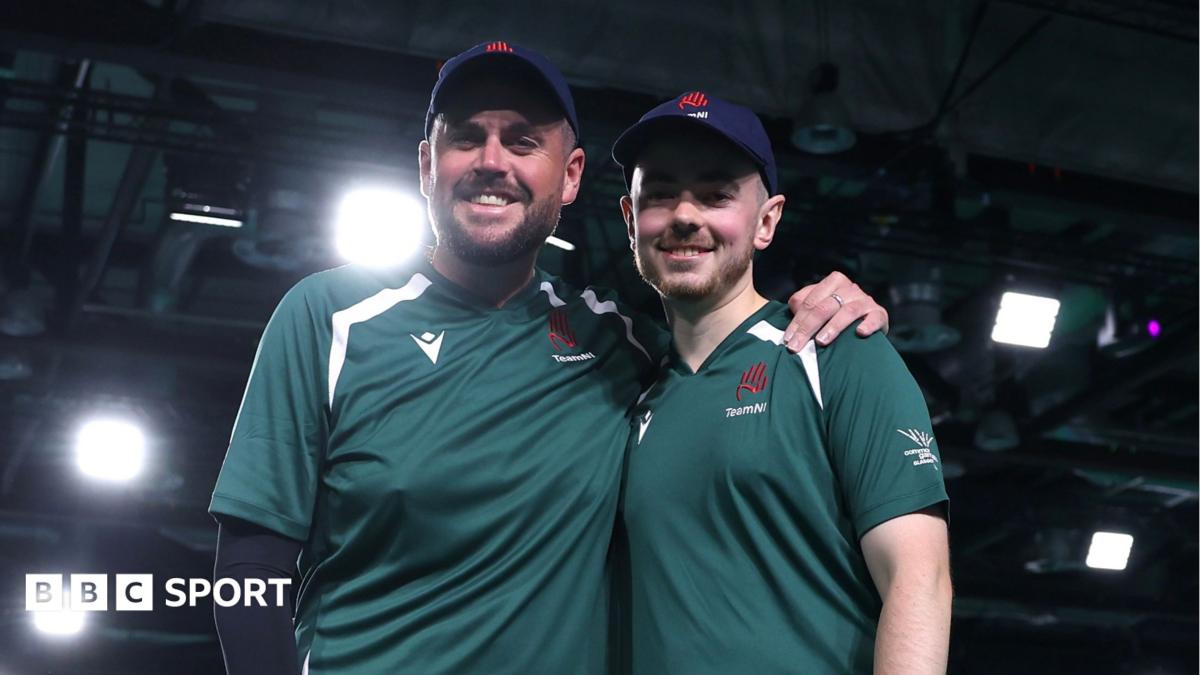
 Commonwealth Games 2026: Adam McKeown and Gary Kelly win gold after tiebreak
  FPIs reverse 4-month selling trend with Rs 20,200 cr inflow in July
 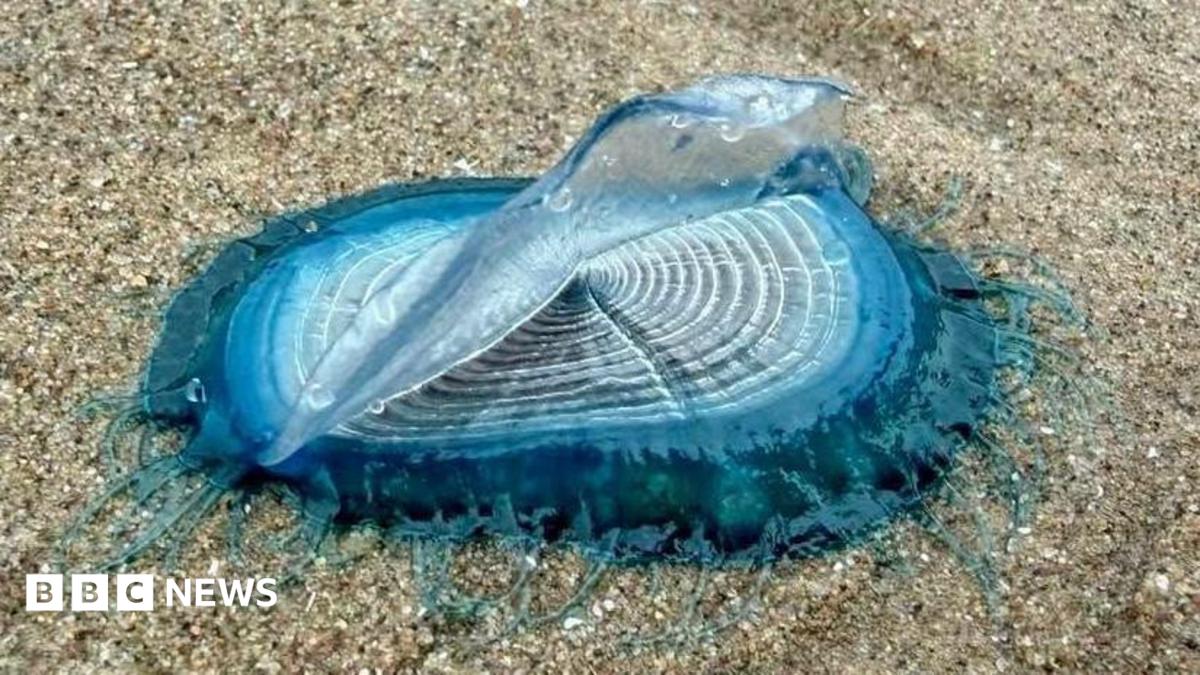 Hundreds of by-the-wind-sailors wash up on St Bees beach
  Judge denies xAI’s request to block Minnesota ban on ‘nudify’ apps
  Mark Chamberlain vs Pierce O’Leary: Briton beats Irishman to take IBO light-welterweight belt
  Elon Musk loses nearly half of his wealth as SpaceX shares crash 46%. More downside ahead?
  Newspaper headlines: Chancellor ‘warns’ supermarkets and ‘own goal’
  Inside the London hacker house taking a stand against founder burnout
  The Hundred 2026 results: Jofra Archer takes season-best 4-9 as Southern Brave beat London Spirit
 Head of Marine at the Cumbria Wildlife Trust, Georgia de Jong Cleyndert, said although the “incredible” blue creatures looked like jellyfish, they were actually colonial hydrozoans.
She said: “Each by-the-wind sailor is made up of hundreds of tiny, specialised animals working together as a single floating colony.
“Although they are not jellyfish, they do have a very mild sting, even after they have washed up so do not touch them.”
The specialist said the species’ blue translucent sail allows them to drift huge distances across the surface of the sea.
“When conditions are right, particularly after periods of persistent onshore winds, thousands can be washed up along our shores,” she said.
Follow BBC Cumbria on X, external, Facebook, external, Nextdoor and Instagram, external and listen to Radio Cumbria on BBC Sounds.