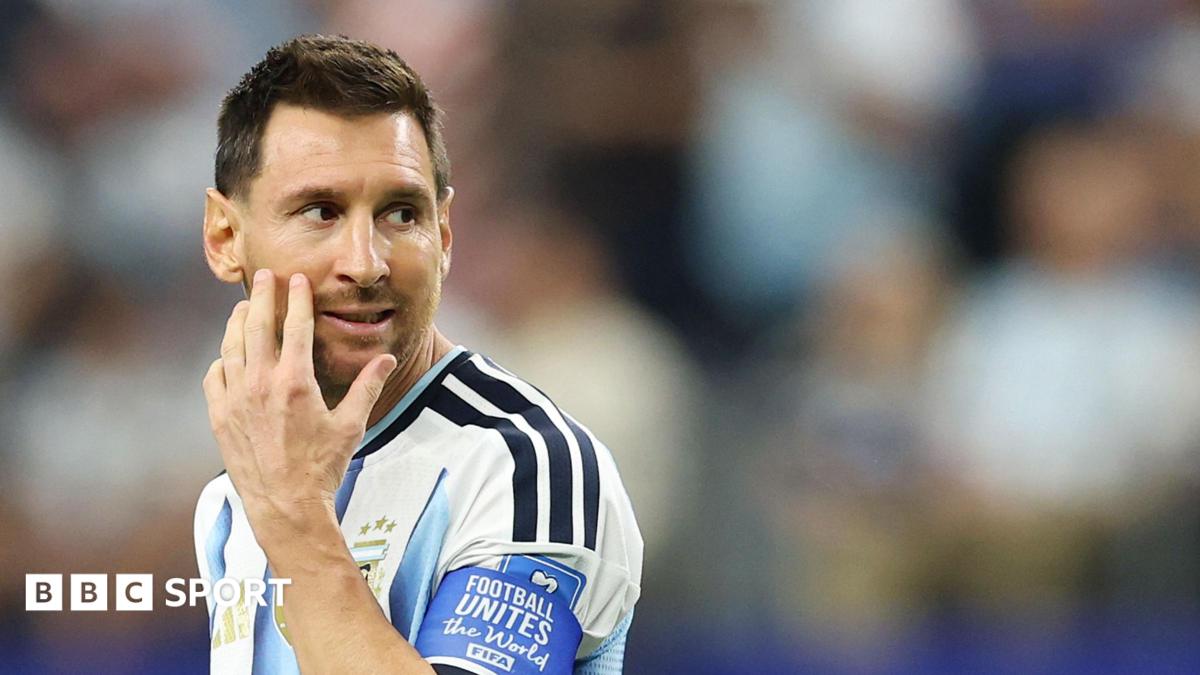
 World Cup 2026: Should Argentina take Lionel Messi off penalties?
  George Goodman’s investing wisdom: Why sometimes the best move is to do nothing
 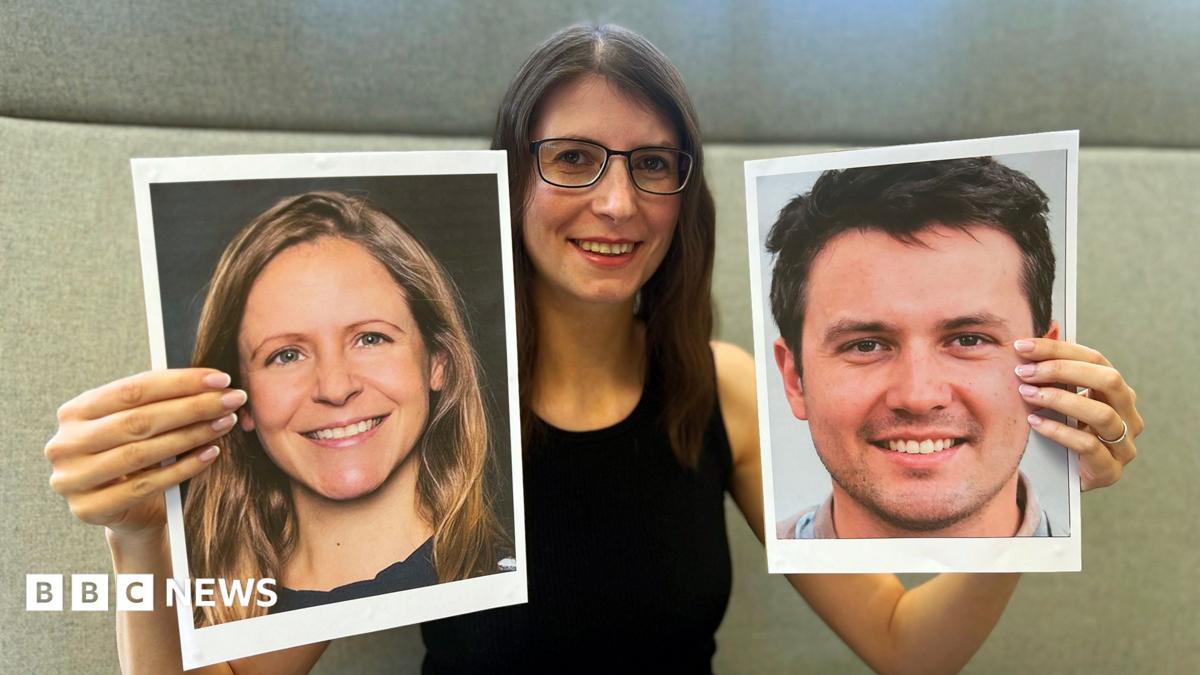 See if you can spot an AI deepfake with our test
  Phia accused of ‘cookie stuffing,’ taking affiliate credit on purchases it didn’t earn
  McGregor vs Holloway 2: UFC 329 – Max Holloway completes welterweight transformation
  SBI Funds raises Rs 1,655 crore in a pre-IPO placement
 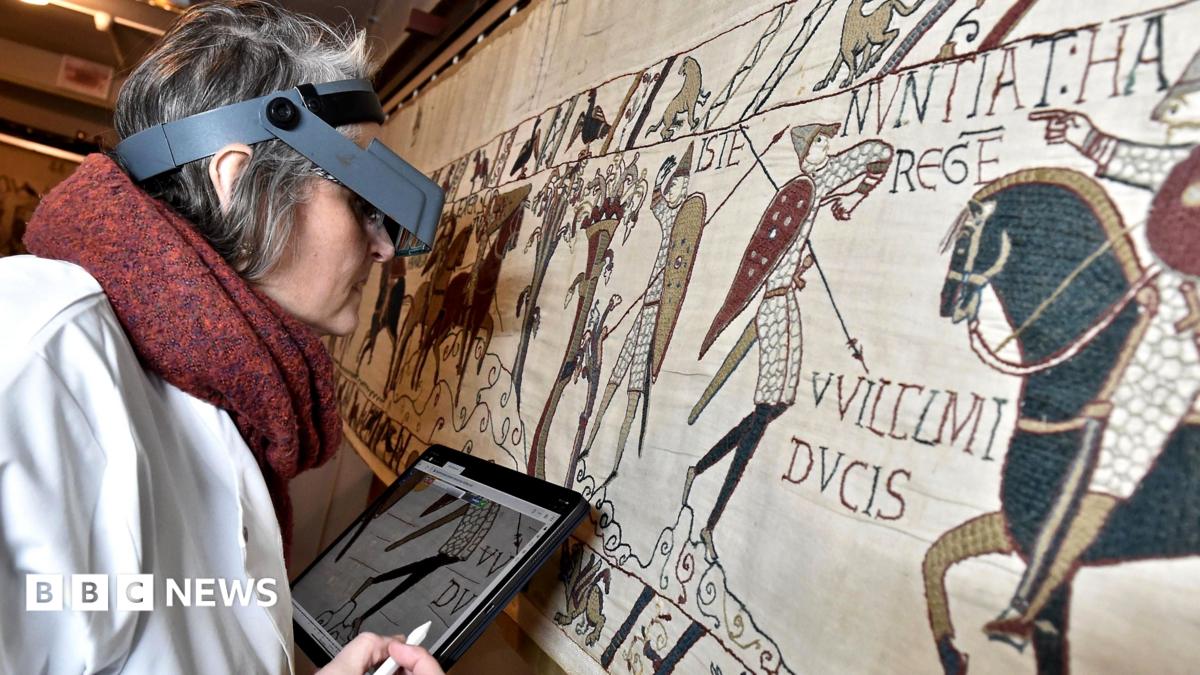 Five key images from the Bayeux Tapestry, and the story they tell
  US cybersecurity agency CISA had to build its incident playbook during the incident, agency reveals
 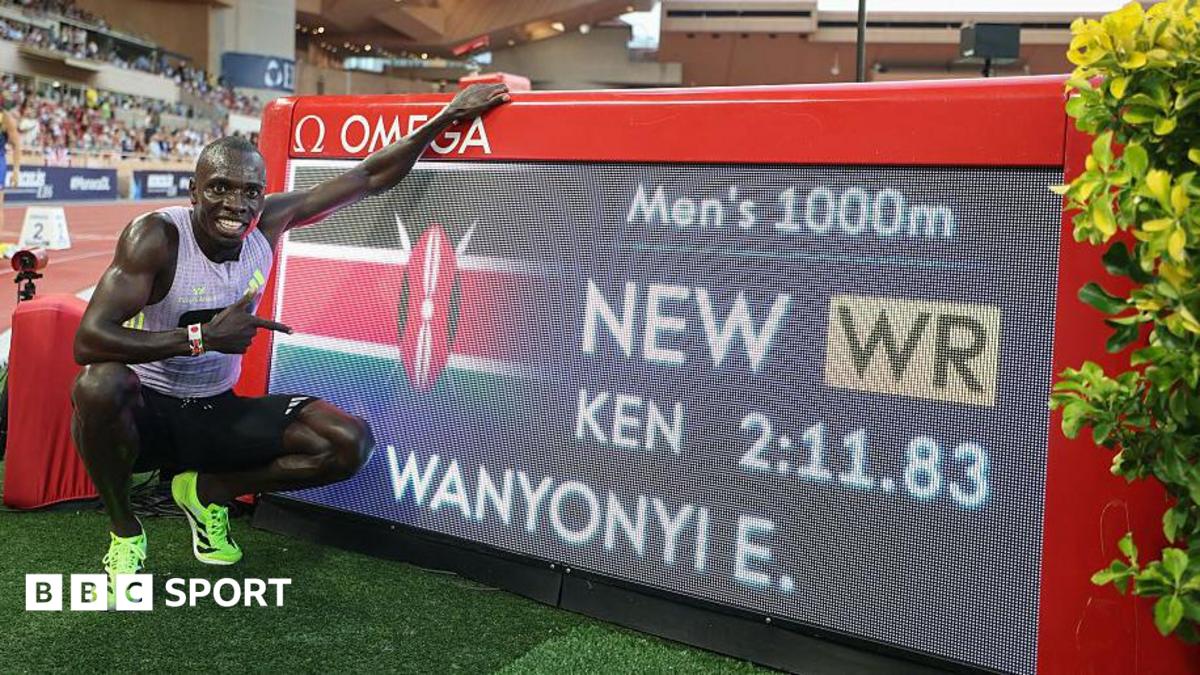 Diamond League: Emmanuel Wanyonyi breaks men’s 1,000m world record in Monaco
 If you found that tough, you are not alone.
It used to be far easier to spot computer-generated visual creations – often used by fraudsters – because AI would make blunders, like adding an extra finger or something else that was obviously weird.
But AI learns from its mistakes.
“Training on visual artifacts, like looking for a sixth finger or odd earrings, has had limited success, partly because the AI is getting too good, and fraudsters may avoid using pictures with obvious flaws anyway,” explained Prof Amy Dawel.
She is the woman with shoulder-length hair in the picture being held by Sutherland. The man’s image is the fake.
Dawel is the director of the Australian National University Emotions and Faces Lab.
She has been leading a team of researchers in Australia, Canada and the UK to find out if people can be trained to rumble the AI imposters.
The answer, for now at least, is yes – but learning to spot an AI fake requires a more subtle approach.