 OpenAI says GPT 5.6 is the ‘preferred model’ for Microsoft Copilot 365 amid breakup chatter
 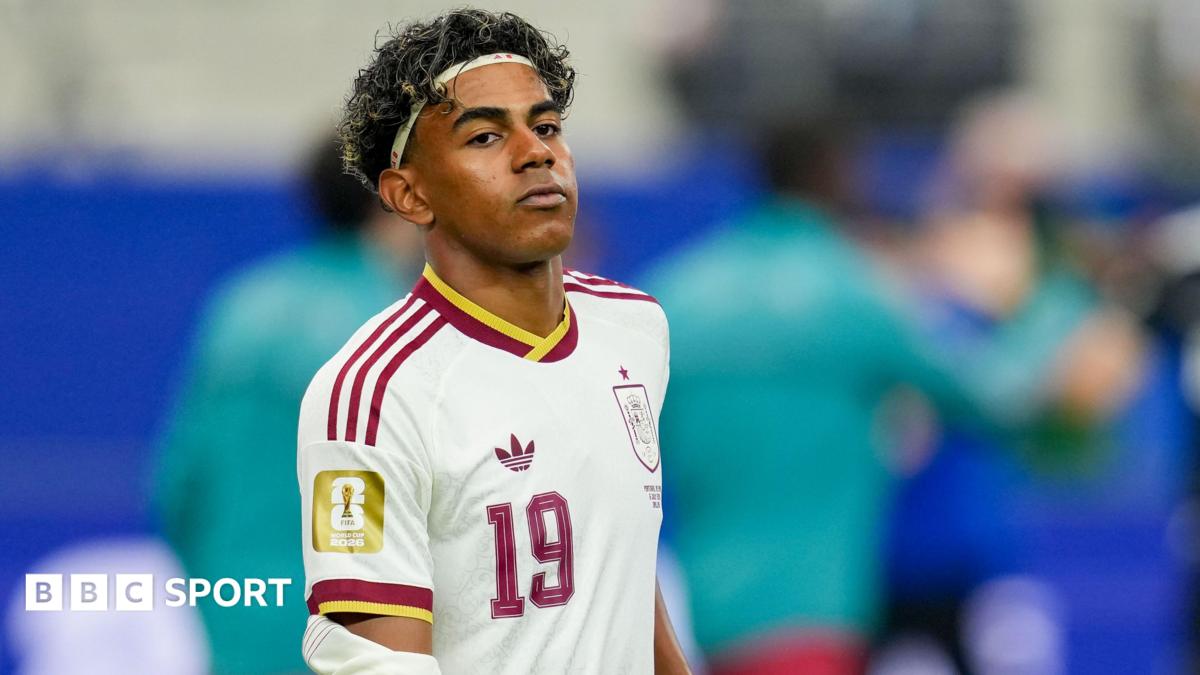 World Cup 2026: Culture, consistency & Lamine Yamal: Inside Luis de la Fuente’s Spain
  Did Goldiam International shares really crash 24% in one day? Here’s how the bonus math works
 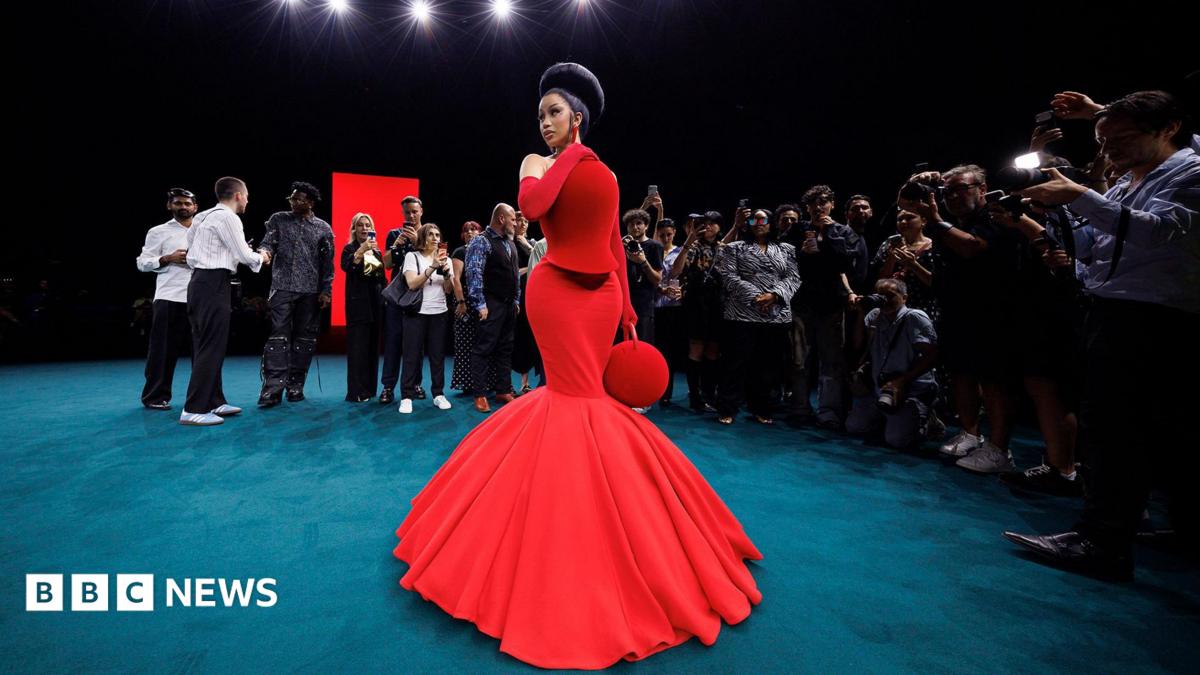 All the best looks from Paris Haute Couture Week 2026
  After Apple, India’s smartphone manufacturing boom enters new phase with Vivo JV
 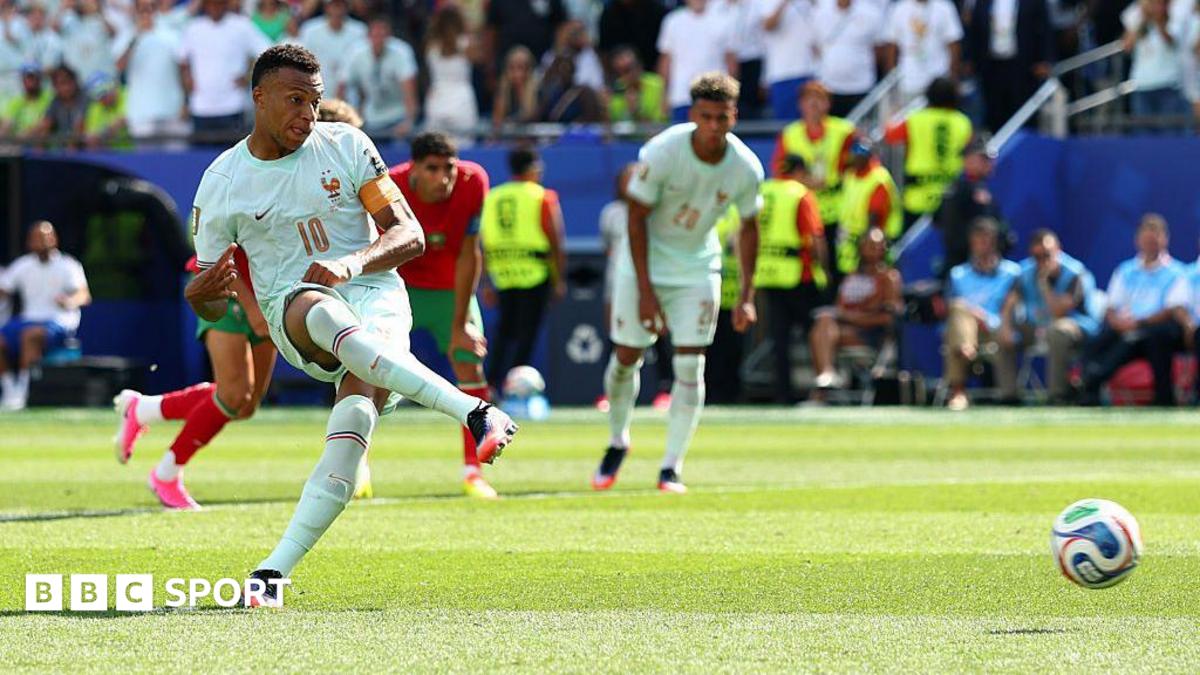 World Cup 2026: What’s going on with penalties – is it time to end the ‘stutter’?
  US stocks today: Nasdaq rallies to sharply higher close; chip surge offsets Iran worries
 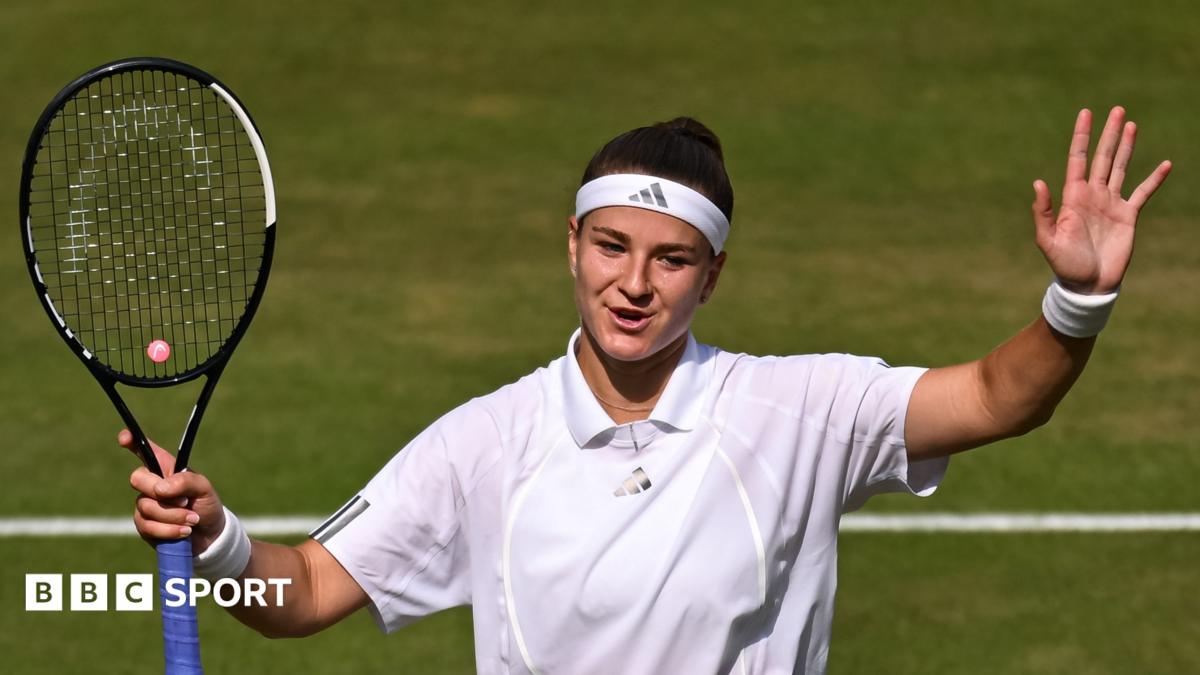 Wimbledon 2026: How Karolina Muchova and Coco Gauff’s semi-final was decided by rollercoaster tie-break
  OpenAI launches its new family of models with GPT-5.6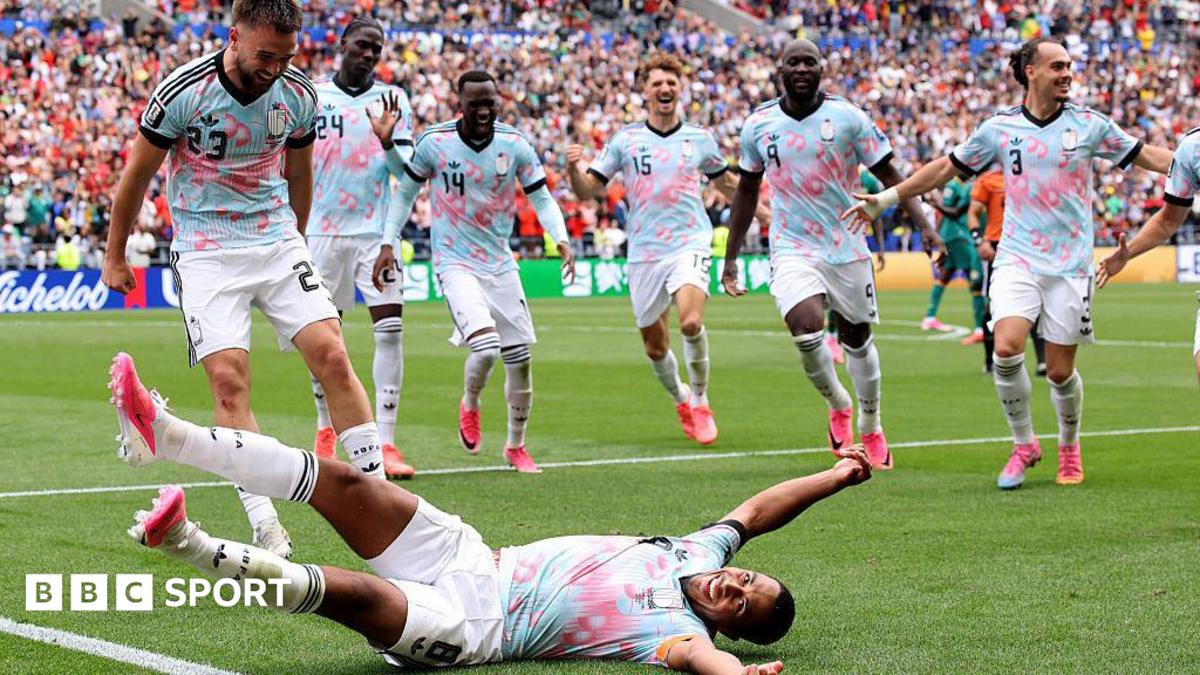
One minute, Senegal were cruising into the last 16 of the World Cup.
The next, they were left wondering how another dream had slipped through their grasp.
Manager Pape Thiaw’s side led 2018 semi-finalists Belgium 2-0 with only four minutes left of normal time, after goals from Habib Diarra and Ismaila Sarr.
But after outplaying their opponents, they somehow “found a way to lose the game”, as ex-Republic of Ireland skipper Roy Keane put it on ITV.
Romelu Lukaku’s 86th-minute goal sparked hope for Belgium and three minutes later, captain Youri Tielemans headed in an equaliser from Leandro Trossard’s cross – the pair were earlier seen having a heated argument – to force extra time.
Then came the controversial penalty, awarded for Lamine Camara’s challenge on Tielemans following a video assistant referee (VAR) review, and converted by the skipper himself 125 minutes in.
It condemned Senegal to further agony, having already endured the pain of being stripped of their Africa Cup of Nations (Afcon) title earlier this year.
“Football is just crazy. I couldn’t call any of this game,” former England striker Dion Dublin told BBC Radio 5 Live.
Late drama, controversy, history and heartbreak – this last-32 tie had everything and here, BBC Sport attempts to make sense of it all.