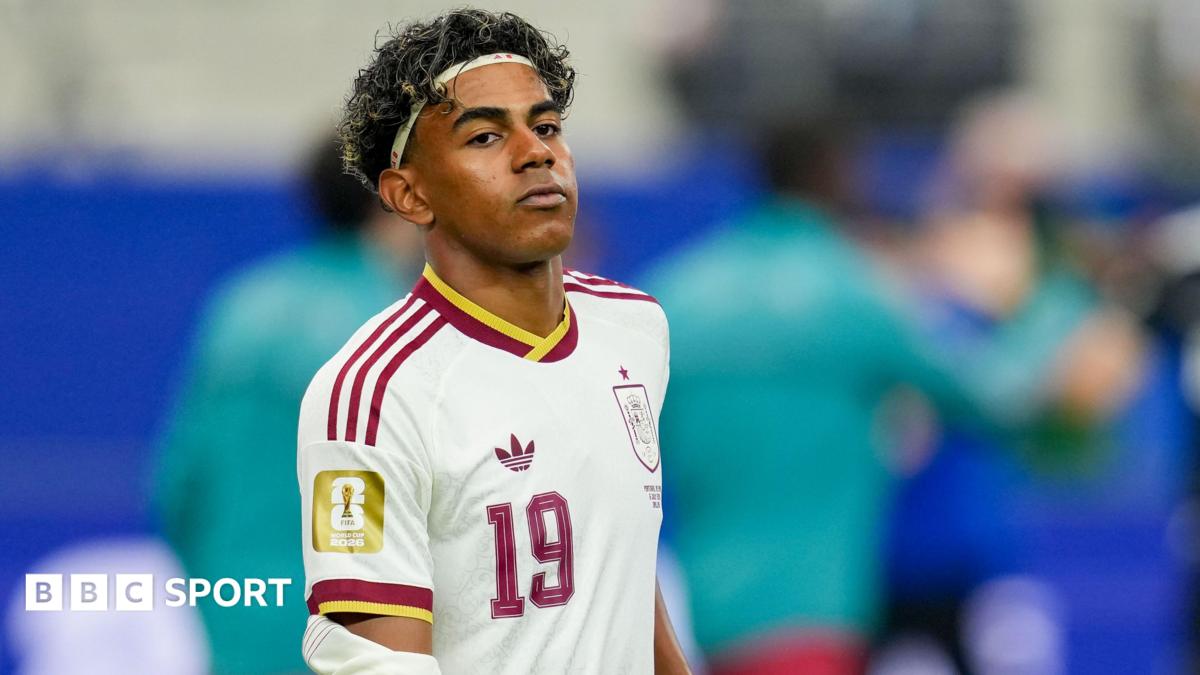
 World Cup 2026: Culture, consistency & Lamine Yamal: Inside Luis de la Fuente’s Spain
  Did Goldiam International shares really crash 24% in one day? Here’s how the bonus math works
 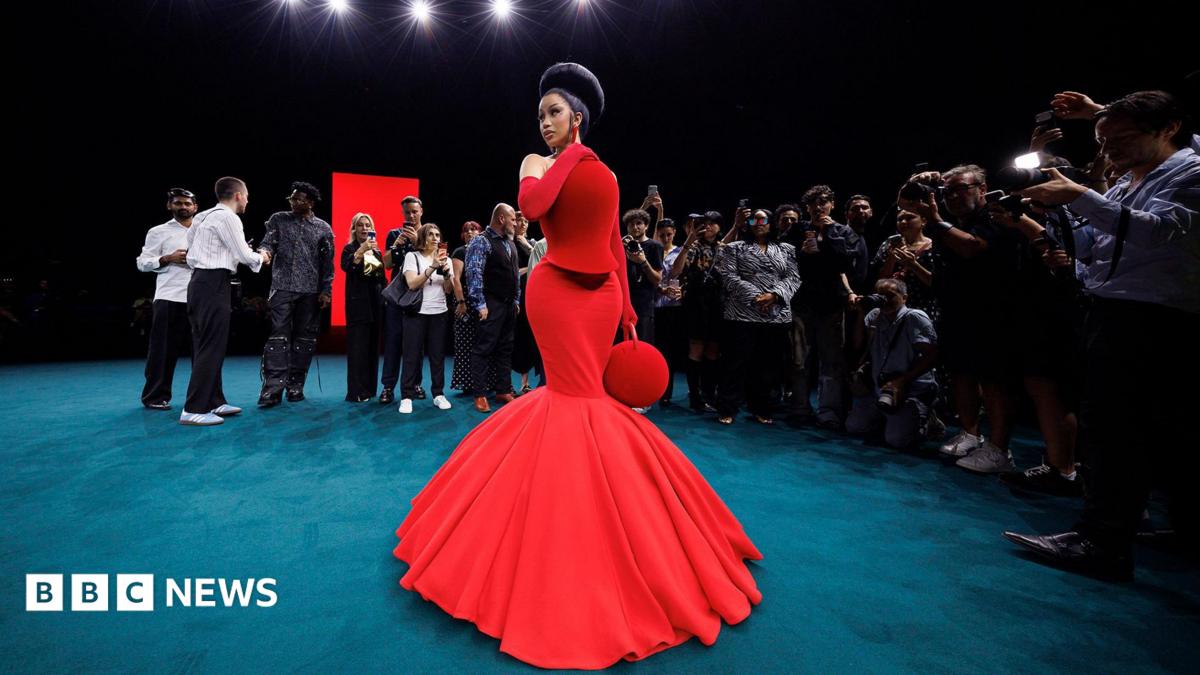 All the best looks from Paris Haute Couture Week 2026
  After Apple, India’s smartphone manufacturing boom enters new phase with Vivo JV
 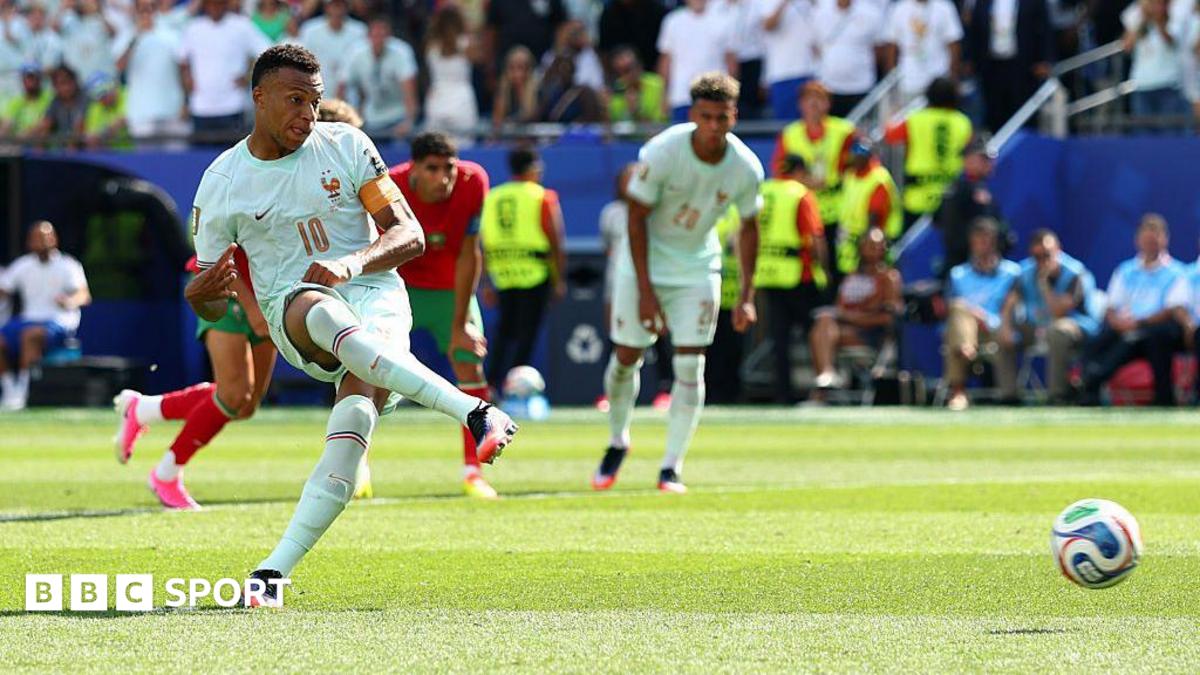 World Cup 2026: What’s going on with penalties – is it time to end the ‘stutter’?
 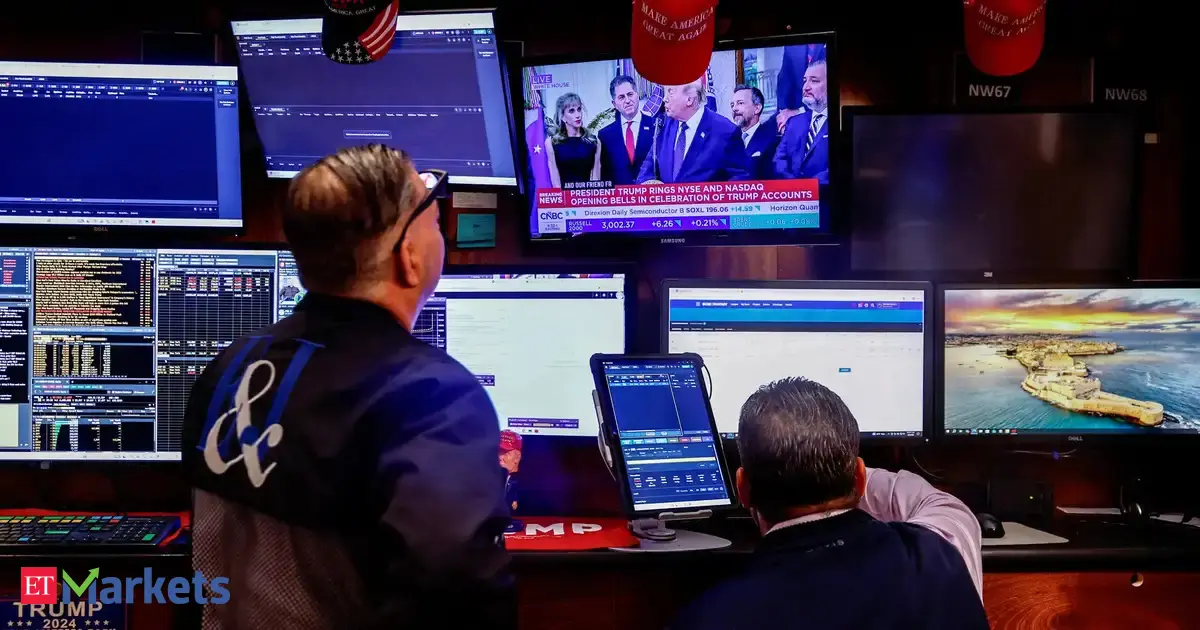 US stocks today: Nasdaq rallies to sharply higher close; chip surge offsets Iran worries
 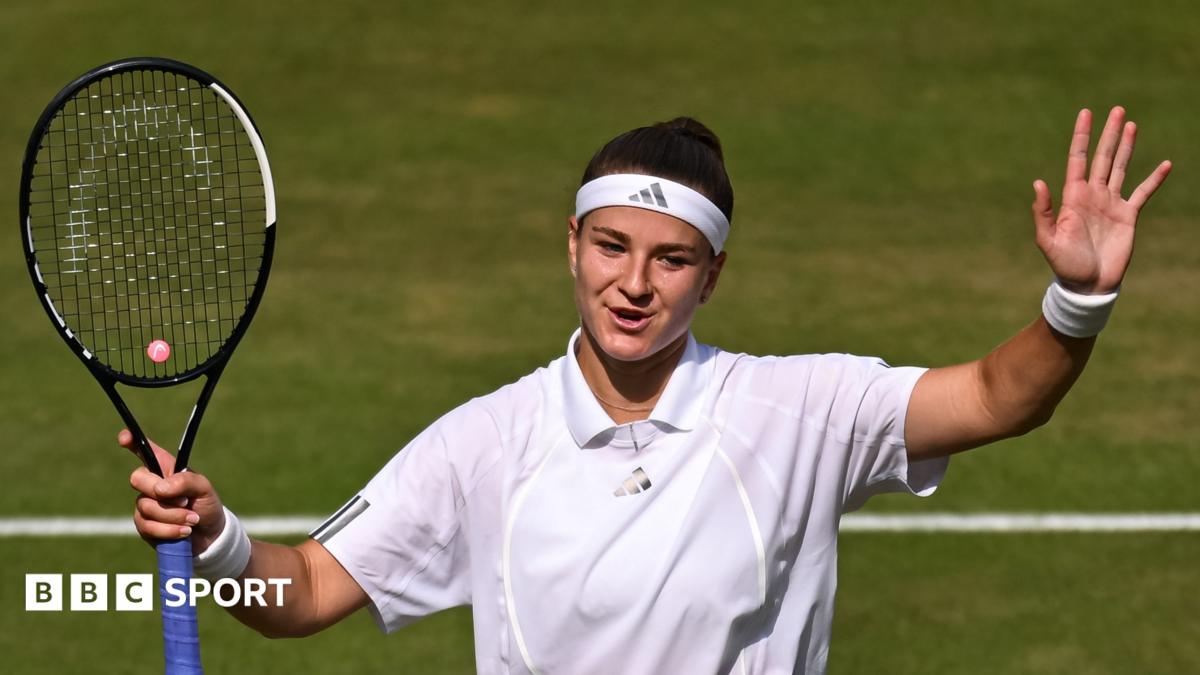 Wimbledon 2026: How Karolina Muchova and Coco Gauff’s semi-final was decided by rollercoaster tie-break
  OpenAI launches its new family of models with GPT-5.6
 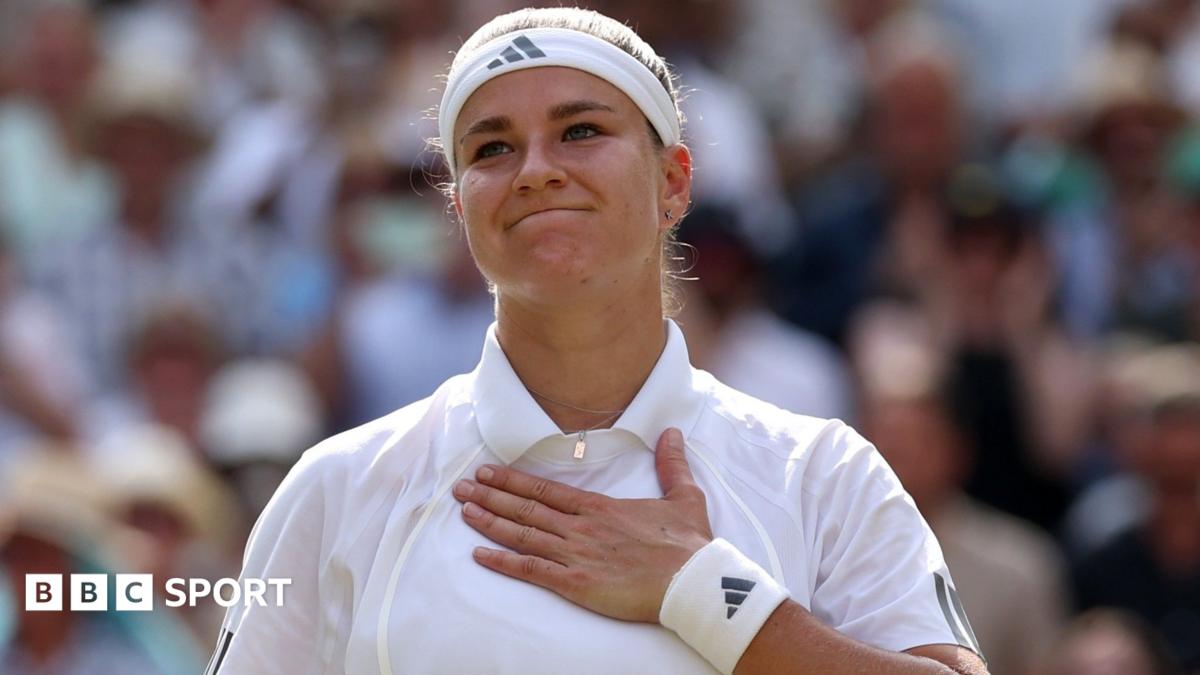 Wimbledon 2026 results: Karolina Muchova beats Coco Gauff in epic tie-break to reach final
As part of an ongoing legal dispute with three Hollywood studios, AI startup Midjourney is seeking to compel those studios to reveal how they use AI themselves.
Disney and Universal sued Midjourney for alleged copyright infringement last year, noting that the startup’s image-generation models could create images of characters, such as Bart Simpson and Darth Vader, who are owned by the studios. A few months later, Warner Bros. sued Midjourney as well.
The startup argues that training its AI models on images of copyrighted characters is permitted under fair use.
The current dispute revolves around the documentation the studios will need to produce during the discovery process. A judge previously ruled that the studios would indeed have to provide information about their generative AI usage – but only when it led to “consumer-facing” videos and images.
In its latest filing, Midjourney seeks to overturn that limitation, arguing that it “unfairly” allows the studios “to cherry-pick only those documents they believe support their market harm claims while depriving Midjourney of documents that would support its defenses.”
Midjourney goes on to claim that the “documents [the studios] are withholding are precisely those that would reveal whether, behind closed doors, they are doing exactly what they are suing Midjourney for doing.”
For example, the startup says that if the studios are developing image-generating AI models “for internal use in storyboarding or ideating content for film or TV, that evidence would equally demonstrate that it is an industry custom, even among the studios themselves, to download and train AI on unlicensed copyrighted content.”
In the filing, the startup also argues that the studios should reveal all the prompts they used in Midjourney, as well as the resulting outputs, not just the prompts that produced the allegedly infringing images.
The studios’ lead attorney David Singer previously claimed Midjourney was seeking this documentation as part of a “fishing expedition.”
He also said the studios “do not seek to stop AI technology or even shut down Midjourney’s business,” but rather “simply want Midjourney to stop copying their movies and TV shows and to stop distributing, publicly displaying, publicly performing, and creating derivative works that include copies of [their] famous characters without authorization.”
When you purchase through links in our articles, we may earn a small commission. This doesn’t affect our editorial independence.