 World Cup 2026: Culture, consistency & Lamine Yamal: Inside Luis de la Fuente’s Spain
  Did Goldiam International shares really crash 24% in one day? Here’s how the bonus math works
 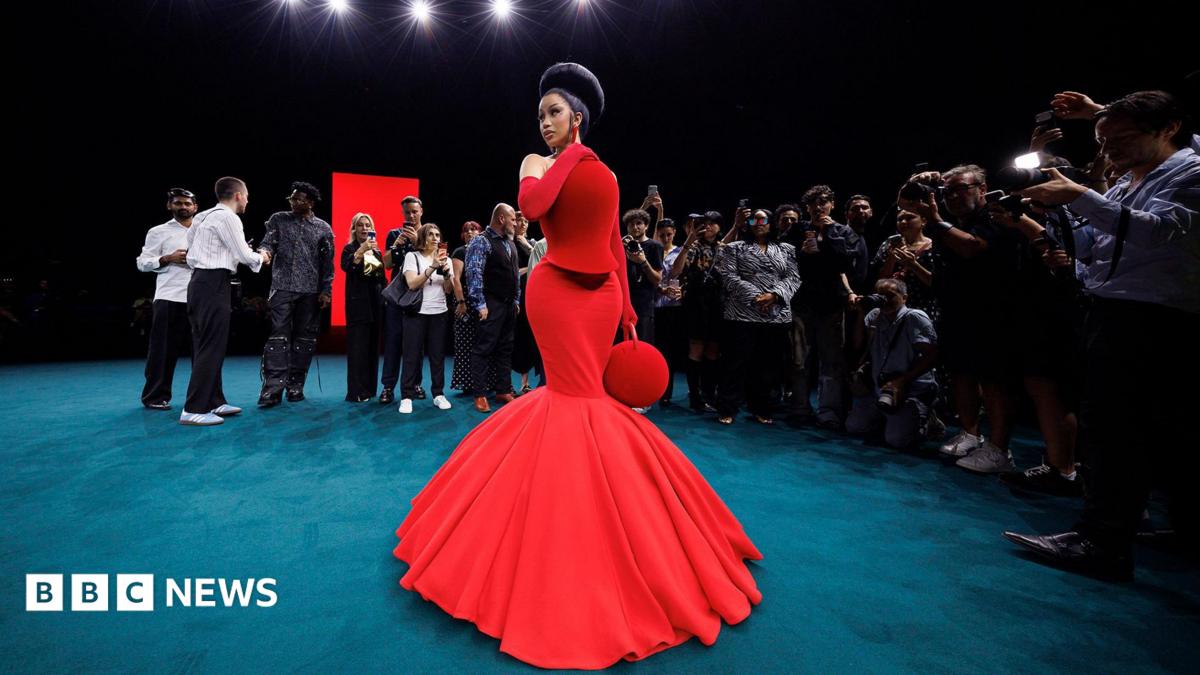 All the best looks from Paris Haute Couture Week 2026
  After Apple, India’s smartphone manufacturing boom enters new phase with Vivo JV
  World Cup 2026: What’s going on with penalties – is it time to end the ‘stutter’?
  US stocks today: Nasdaq rallies to sharply higher close; chip surge offsets Iran worries
  Wimbledon 2026: How Karolina Muchova and Coco Gauff’s semi-final was decided by rollercoaster tie-break
  OpenAI launches its new family of models with GPT-5.6
  Wimbledon 2026 results: Karolina Muchova beats Coco Gauff in epic tie-break to reach final
The U.S. has lifted a requirement that Anthropic obtain a license before exporting its Mythos and Fable models abroad, a requirement that effectively cut off public access to what are widely considered the most advanced AI models released to date.
The AI lab said it would begin restoring access to the models on Wednesday, July 1.
On June 12, the U.S. government had added the products to its list of export-restricted technologies, meaning they could no longer be made available to foreign nationals without special approval. Complying with that rule proved impractical at scale, forcing Anthropic to end public access to the models altogether.
Now, after weeks of talks, Secretary of Commerce Howard Lutnick said Anthropic “has agreed to proactively detect and address security risks associated with the models; to work diligently with the U.S. government on protocols and standards and releases for Mythos, Fable and future models; and to inform the US government of any malicious activity.”
Anthropic had already publicly pledged to do much of this voluntarily, months before the export rule existed. That’s part of why cybersecurity experts were skeptical of the restrictions in the first place. To them, the ban looked less like a security fix and more like leverage, a way for the Trump administration to punish Anthropic for its executives’ public criticism of how the government, and the president’s political opponents, might use the technology.
Mythos was originally made available to a select group of organizations beginning in April to allay concerns about its ability to identify and exploit vulnerabilities in software, while a version called Fable was released to the public in June with additional security guardrails.
However, with Asian AI companies beginning to release their own AI models approaching Mythos-level capabilities — among them Fugu and Tulongfeng — the U.S. government was under pressure to ease its restrictions on Anthropic to ensure that American AI could compete globally.
Last week, Lutnick cleared Mythos to be released to select customers approved by the White House. OpenAI’s latest models were also released to a group of organizations approved by the Trump team, instead of the public.
The Trump administration’s erratic approach to AI policymaking has left companies across the industry with little clarity about what will govern future model releases. An executive order issued in June that signaled a desire to review models ahead of release was criticized by influential analysts like Dean W. Ball, who recently started a policy position at OpenAI.
When you purchase through links in our articles, we may earn a small commission. This doesn’t affect our editorial independence.